

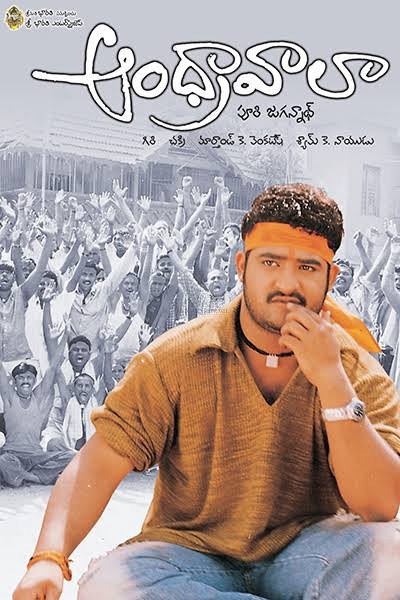
Andhrawala Audio Function: Mass Hysteria, PR Strategy, or Political Power Display?
The Andhrawala audio launch of the Telugu film Andhrawala remains one of the most controversial and discussed events in Telugu cinema history. Even after decades, people still question whether the event was truly attended by “10 lakh (1 million) people” or whether it became a carefully amplified political and public-relations spectacle.
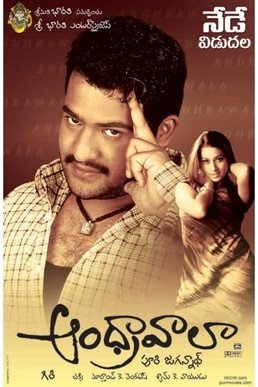
The event, centered around N. T. Rama Rao Jr. during the starting stage of his cinematic image got only two blockbuster Hit not larger than Chiranjeevi, Rajinikanth, Amitabh Bachchan and mass popularity, became larger than the film itself. But the biggest question still remains:
If the audio function was truly attended by 1 million people, why did the movie become a box-office disaster?
Did 1 Million People Really Attend the Audio Function?
At the time, many newspapers, television channels, and political supporters claimed that nearly 10 lakh people attended the event in Nimmakuru Village. Massive crowds, overflowing roads, and extraordinary public attention made it appear historic.
Read More: Dragon Glimpse Review
But several unanswered questions still exist:
- Was there any official crowd-count verification?
- Did the police or district administration issue certified numbers?
- Did Indian Railways officially release passenger data?
- Were drone counts or satellite estimates available at that time?
- Was the “1 million” figure a media exaggeration?
Even today, no fully transparent Film persons record proving the exact attendance has been publicly circulated.
Who Requested Special Trains?
One of the biggest talking points was the operation of “special trains” allegedly arranged for fans attending the event.
This raises serious questions:
- Who officially applied for these special trains?
- Was the request made by film producers?
- Did fan associations submit applications?
- Did political leaders influence approvals?
- On what legal or administrative basis were the trains sanctioned?
Normally, Indian Railways sanctions special trains based on:
- Anticipated Passenger Demand,
- Festival Rush,
- Political gatherings,
- Religious events,
- or Large Public Programs (Where Film consider as Private).
If special trains were indeed approved, then there must have been some formal request or projected passenger estimate submitted to authorities.
But another question follows naturally:
How did organizers know that lakhs of people would travel even before the event happened?
Did Indian Railways Earn Huge Revenue?
If lakhs of fans genuinely traveled through railway tickets, then theoretically Indian Railways would have earned substantial revenue from:
- reserved tickets,
- unreserved passenger traffic,
- platform tickets,
- and special train operations.
That leads to more public curiosity:
- How many tickets were sold specifically for the event routes?
- Which stations saw unusual crowd increases?
- What was the total passenger revenue generated?
- Why was detailed public data never showcased?
Since the event became part of Telugu cinema folklore, many fans believe Indian Railways could clarify the truth by releasing archival operational records if available.
Ticket Price to the Event — Was Entry Really Free?
Another debated issue is whether the event itself had any ticketing system.
Questions include:
- Was the audio launch completely free?
- Did fan clubs arrange paid transportation packages?
- Did organizers indirectly monetize attendance through travel and logistics?
- How much did fans spend collectively to attend?
- For many attendees coming from districts across Andhra Pradesh and Telangana (combined states), transportation itself became a major expense.
If the Event Was Such a Massive Hit, Why Did the Film Fail?
This is the central mystery surrounding Andhrawala.
Despite unprecedented hype, the movie reportedly underperformed critically and commercially after release.
This creates a contradiction:
- If 1 million people attended the function:
- Why didn’t those same people watch the film repeatedly?
- Why did collections reportedly drop after initial days?
- Why did word-of-mouth become negative?
- Why did the hype not convert into sustained box-office success?
Cinema history repeatedly proves one fact: Mass openings can bring huge first-day collections, but only audience satisfaction sustains long-term success.
Many analysts believe:
- the audio event created emotional momentum,
- but the film content failed to meet expectations.
Was It a Political or PR Demonstration?
Critics at the time argued that the event looked less like a film function and more like a political strength demonstration.
Because of the political background connected to the family, questions emerged such as:
- Was state influence indirectly used?
- Did political networks mobilize crowds?
- Were fan associations operating like political cadres?
- Was caste identity emotionally mobilized for crowd building?
- Did the event become a symbolic show of social dominance?
However, these remain political opinions and public debates rather than legally proven conclusions.
No court or official inquiry conclusively established misuse of constitutional power or illegal state machinery specifically for the event.
Still, the scale of mobilization created a perception among some sections of society that cinema, politics, caste identity, and fan culture had merged into one giant spectacle.
- Why Don’t Such Events Happen Today?
- After the Andhrawala era, Telugu cinema changed significantly.
Today:
- security restrictions are tighter,
- crowd management rules are stricter,
- police permissions are harder,
- digital promotions replaced physical mobilization,
- and audience behavior shifted toward online fandom.
Additionally, modern audiences judge films quickly through:
- social media reviews,
- YouTube reactions,
- OTT comparisons,
- and public ratings.
Therefore, massive physical gatherings no longer guarantee box-office success.
Final Question: Was the Event Bigger Than the Movie?
In many ways, yes.
The audio launch became a cultural memory larger than the actual film. People still discuss:
- the crowd,
- the trains,
- the political atmosphere,
- the fan hysteria,
- and the media hype.
But ultimately, cinema survives on storytelling — not only on publicity.
The unanswered questions surrounding the event continue to fuel debates even today: Was it genuine mass popularity? Was it strategic image-building? Or was it one of the greatest PR spectacles in Telugu film history?
That mystery is exactly why the Andhrawala audio function is still remembered decades later.
Despite of Publicity Stunt Event, Andhrawala becomes a box office Dud, where same movie remade in kannada simultaneously without any hype like Andhrawala Event, Late Sri Puneet Rajkumar starrer movie Veera Kannadiga got massive success and increased stardom to the Late Sri. Punit Raj Kumar